

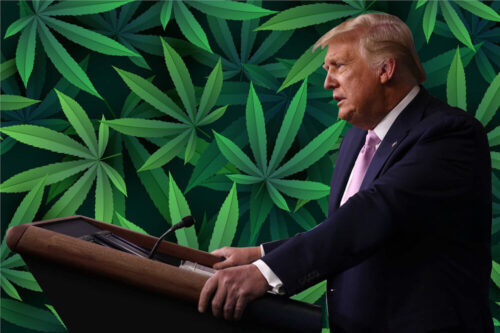
The White House under Donald Trump has moved to reclassify medical marijuana as a lower-risk drug, signaling a notable shift in federal drug policy while stopping short of broader legalization. The change aligns marijuana used for medical purposes with substances considered to have accepted therapeutic value and a lower potential for abuse, a move advocates say could expand research and improve patient access.

Officials emphasized, however, that the reclassification applies strictly to medical use and does not decriminalize marijuana for recreational purposes. Federal law still prohibits non-medical cannabis, meaning possession, distribution, and sale outside approved medical frameworks remain illegal under federal statutes.
Acting attorney general Todd Blanche also said that the administration would hold a new hearing to “fully” reschedule marijuana under the Controlled Substances Act.

The decision is expected to ease restrictions on scientific studies and could lead to expanded prescribing practices in states where medical marijuana is already legal. At the same time, the administration made clear it is not endorsing full legalization, drawing a firm line between medical use and recreational consumption as debates over broader cannabis reform continue nationwide.
Naturally, there was pushback:
“With this move, we are now confronted with the most pro-drug administration in our history,” Kevin Sabet, president of Smart Approaches to Marijuana, which opposes legalization, said in a statement. “Policy is now being dictated by marijuana CEOs, psychedelics investors, and podcasters in active addiction — it is a travesty and injustice to the American people of unprecedented proportions.”