

A growing number of top Republicans are openly angry with the Pentagon and the Trump administration because they say they were kept in the dark about key details of the Iran war — especially the potential for, and early movement of, U.S. troops on the ground.
At the center of the backlash is frustration over the lack of transparency and late or incomplete briefings. Several senior GOP lawmakers, including those who oversee the military, say they were not given clear information about strategy, objectives, or troop deployments before decisions were effectively underway.
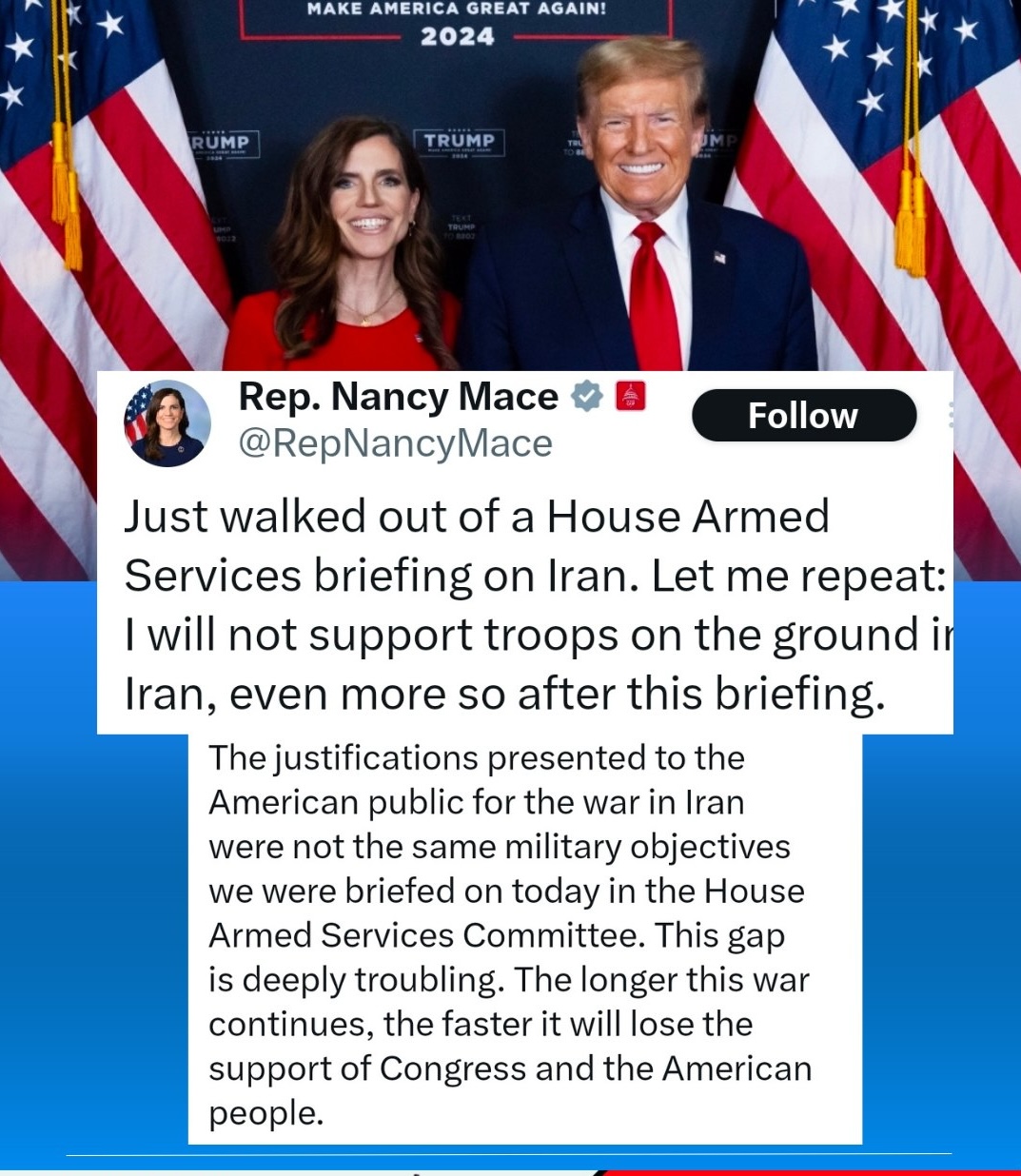
One of the most vocal critics has been Republican Rep. Nancy Mace, who walked out of a classified briefing and warned that Congress is being misled. She and others are particularly upset that thousands of U.S. troops were being positioned or prepared for deployment without a clear explanation of mission or endgame.
Nancy Mace walked out early, venting that ‘we were misled,’ while pro-Trump committee chair Mike Rogers warned ‘we’re not getting answers’ as Pentagon chiefs briefed the House Armed Services Committee.
Later, Mace wrote on X: ‘The justifications presented to the American public for the war in Iran were not the same military objectives we were briefed on today in the House Armed Services Committee.’
That anger is amplified by a direct contradiction of what President Donald Trump had long promised politically — no “boots on the ground” in another Middle East war. Now, even the possibility of ground forces — something the Pentagon has planned for and not ruled out — has triggered alarm inside his own party.
Lawmakers’ frustration boils down to a few key issues:
-
Congressional oversight bypassed: Senior Republicans say they should have been fully briefed before troop movements or escalation decisions, not after the fact.
-
Unclear mission and endgame: There is still no consistent explanation of whether the goal is deterrence, regime change, or a prolonged campaign.
-
Fear of escalation into another long war: The introduction of elite units like the 82nd Airborne signals a shift toward deeper involvement.
-
Political whiplash: Trump’s earlier stance against foreign wars clashes with current actions, creating unease even among allies.
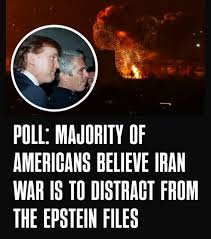
What makes this especially notable is that the criticism is coming from within Trump’s own party, including committee chairs who are usually aligned with defense policy. Some Republicans are warning that without clearer answers, they may hesitate to approve additional funding or support for the war effort.
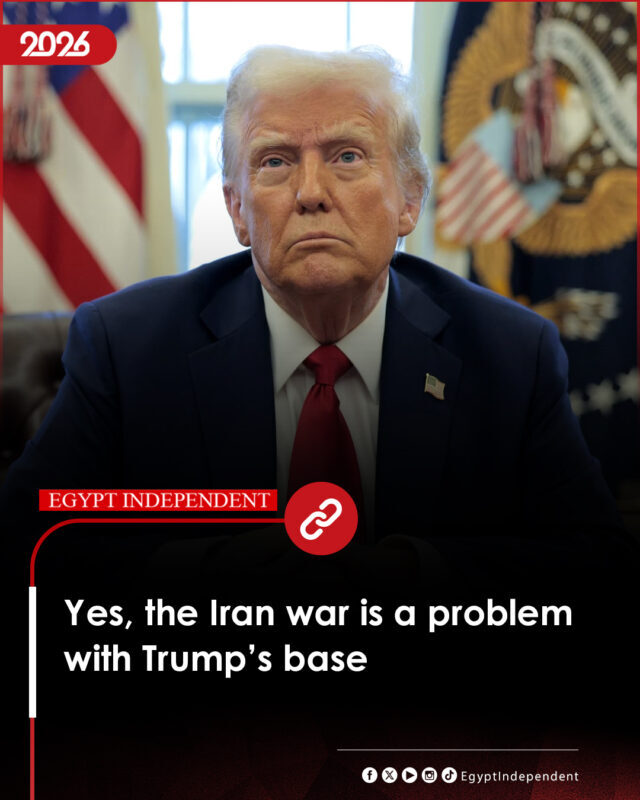
In short, the fury isn’t just about policy — it’s about process. Lawmakers feel the Pentagon, under Defense Secretary Pete Hegseth, is driving a rapidly escalating conflict without fully informing the very people constitutionally tasked with oversight, and doing so in a way that risks pulling the U.S. into exactly the kind of open-ended war Trump once vowed to avoid.