

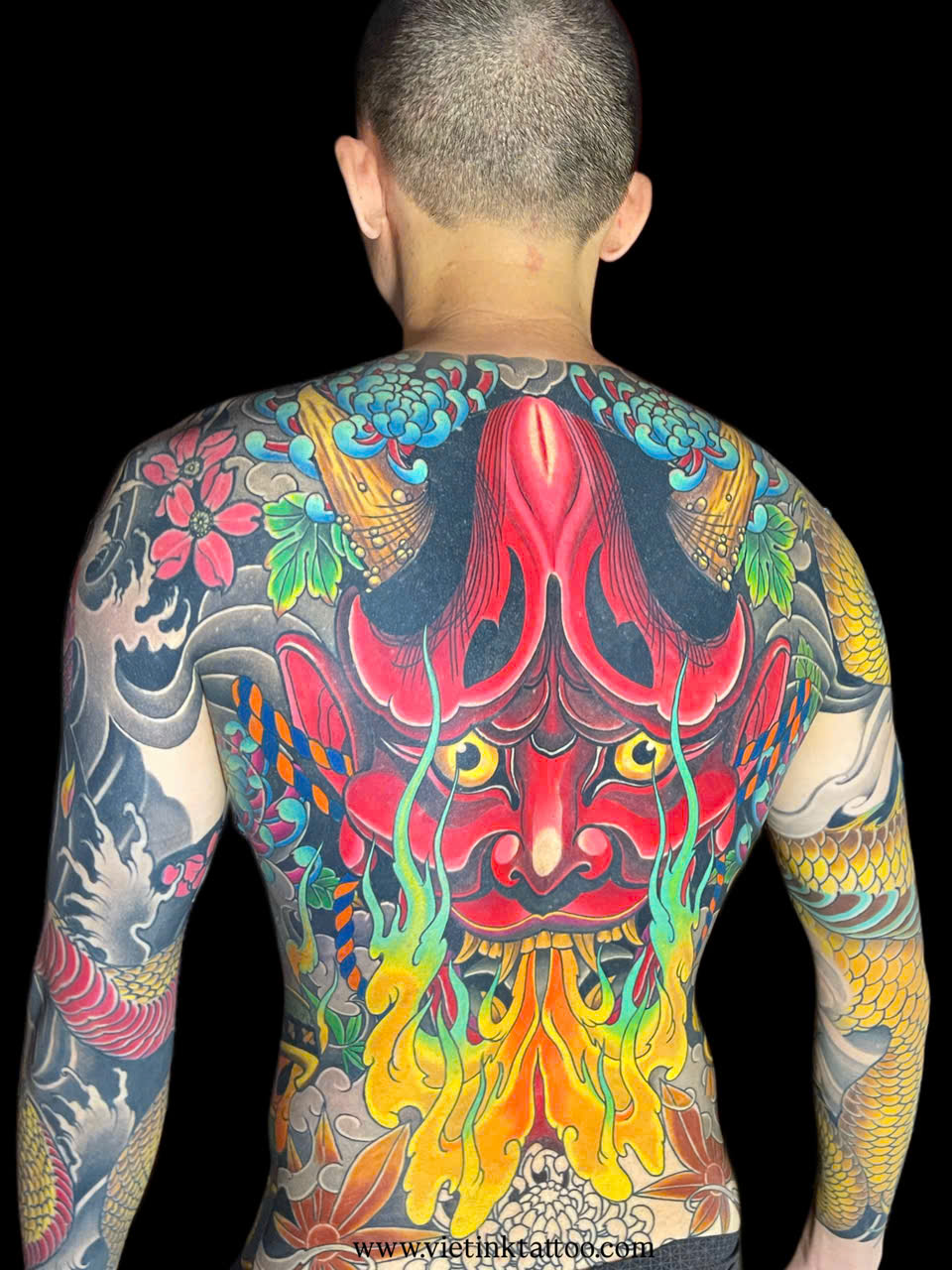
Getting a tattoo is an exciting experience, but what happens after you leave the studio is just as important as the quality of the artwork itself. Even the most skilled tattoo can fade, blur, or heal poorly if proper aftercare isn’t followed. Unfortunately, many people unintentionally make mistakes during the healing process that can permanently affect how their tattoo looks.
Understanding what not to do is one of the best ways to protect your new ink, minimise healing time, and ensure your tattoo looks sharp for years to come.

Treating a Tattoo Like a Surface Scratch
One of the biggest misconceptions is thinking a tattoo is a minor skin injury. In reality, a tattoo is an open wound that penetrates multiple layers of skin. Treating it casually—by skipping cleaning, touching it with unwashed hands, or exposing it to bacteria—can lead to irritation, infection, and poor colour retention. Proper hygiene, gentle cleaning, and following professional aftercare advice are essential from day one.

Getting It Wet Too Soon
Water exposure is one of the most common causes of tattoo healing problems. While gentle showers are usually fine, soaking a fresh tattoo too early can cause ink loss, delayed healing, or infection. This is especially important when it comes to swimming after getting a tattoo, whether in pools, the ocean, lakes, or even long baths. These environments introduce bacteria and chemicals that can interfere with healing.

Overwashing (or Not Washing Enough)
Both extremes can damage a healing tattoo.
· Overwashing can dry out the skin, strip natural oils, and lead to excessive scabbing or cracking.
· Underwashing allows bacteria, sweat, and plasma to build up, increasing the risk of infection.
The key is balance: clean the tattoo gently with lukewarm water and fragrance-free soap, and pat it dry with a clean towel—never rub.

Using the Wrong Aftercare Products
Applying heavy ointments, petroleum-based products, or fragranced lotions can suffocate the skin and cause irritation. These products may trap bacteria or prevent the tattoo from breathing properly during healing. Stick to tattoo-specific or artist-recommended aftercare products, and apply them sparingly (more product does not mean faster healing!).

Picking, Scratching, or Peeling the Skin
As your tattoo heals, it will likely scab and peel—this is completely normal. However, picking at scabs or scratching itchy areas can pull ink out of the skin and leave patchy spots or scars.
If itching becomes uncomfortable, a light application of approved moisturiser and avoiding tight clothing can help relieve irritation without damaging the tattoo.

Ignoring Sun Protection
UV exposure is one of the fastest ways to fade a tattoo, and it’s especially harmful during the healing phase. Exposing a fresh tattoo to direct sunlight can cause blistering, pigment distortion, and long-term fading. During healing, keep tattoos covered when outdoors. Once healed, applying a high-SPF sunscreen will help maintain colour vibrancy over time.

Wearing Tight or Abrasive Clothing
Friction from tight clothing can rub against a healing tattoo, leading to irritation, ink loss, and uneven healing. Fabrics that don’t breathe can also trap moisture and bacteria. Loose, breathable clothing is always the safer option during the first few weeks of healing—especially for tattoos in high-movement areas.

Not Following Your Artist’s Advice
Every tattoo placement and skin type is different. Ignoring personalised aftercare instructions from your tattoo artist can undo their hard work. Professional advice is based on experience, technique, and understanding how tattoos heal best. If something doesn’t look or feel right during healing, checking in early can prevent long-term damage.
Tattoo aftercare isn’t complicated, but it does require patience and consistency.

Most tattoo problems don’t come from the needle—they come from what happens afterward. By avoiding these common mistakes and respecting the healing process, you’ll protect both the appearance of your tattoo and the health of your skin. A little care now goes a long way in keeping your ink bold, clean, and looking exactly the way it was meant to.