

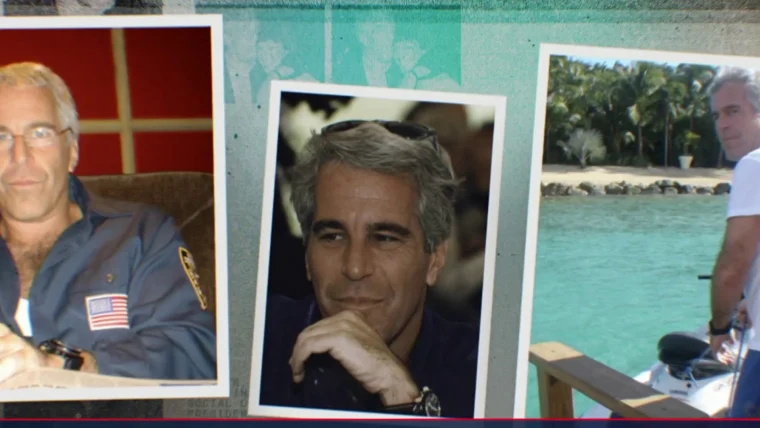
Survivors of Jeffrey Epstein’s abuse, lawmakers and advocates reacted with outrage this week after the U.S. Department of Justice (DOJ) released a partial and heavily redacted batch of files related to the financier’s criminal cases — a move they say amounts to the opposite of transparency.

The release, mandated by the Epstein Files Transparency Act passed last month, was intended to make public tens of thousands of pages of investigative materials, court records and communications in the federal government’s possession by Dec. 19, 2025. Instead, critics decried what was made available as a small fraction of the whole with large swaths of information obscured by black ink or withheld entirely.

Many survivors who lived through Epstein’s abuse said the redactions rendered the release nearly meaningless. Marina Lacerda, who was abused by Epstein at age 14 and identified in the 2019 federal indictment as “Minor Victim 1,” told news outlets the limited files were “another slap in the face.”

Advocates argued that rather than providing clarity and accountability, the document dump continued a pattern of secrecy that has long marked the Epstein saga. Survivors said the level of redaction — including entire pages reduced to black bars — made it impossible to see substantive details about prosecutorial decisions or potentially relevant evidence.
In statements released by legal representatives for a group of 19 survivors, the partial release was described as “a fraction of the files, and what we received was riddled with abnormal and extreme redactions with no explanation.” The group also noted that some victim identities were not protected, leading to immediate and harmful exposure, while other materials that could shed light on the case were withheld entirely.

The criticism wasn’t limited to survivors. Bipartisan lawmakers who championed the Epstein transparency legislation said the DOJ’s action failed to meet the letter — and spirit — of the statute. Senate Minority Leader Chuck Schumer and Representatives Ro Khanna and Thomas Massie have publicly pressed for legal actions, even threatening to hold Attorney General Pam Bondi in contempt of Congress for incomplete compliance.
At least one 119-page document labeled “Grand Jury-NY” was released entirely blacked out, according to independent reviews, and other redactions extended beyond victim identifiers, drawing questions about what information is truly being shielded.

However, the partial posting briefly included — and then removed — at least 16 files, including a photograph of former President Donald Trump with Epstein and others, which the DOJ later reinstated after determining no victims were depicted. That sequence underscored the persistent mistrust surrounding how decisions about what is disclosed are being made.

Survivors and advocates said that transparency cannot be measured by the number of pages posted online, but by the substantive release of information that explains how Epstein was able to operate, who may have been involved or aware, and why earlier institutional failures occurred.
“It’s not transparency if you strip out most of the words,” one survivor said in response to the DOJ’s release. “We just want all of the evidence of these crimes out there.”