

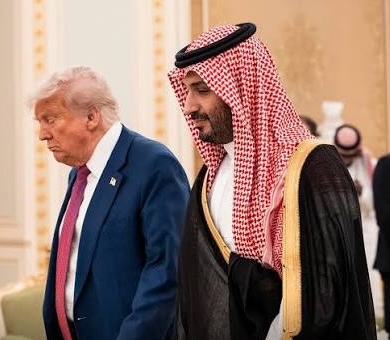
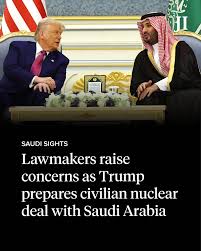
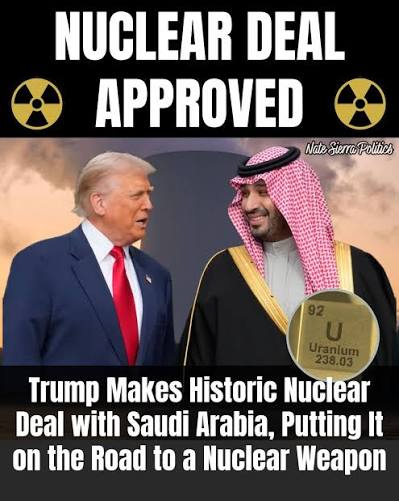
President Donald Trump’s administration is moving forward with plans to support a civilian nuclear program in Saudi Arabia, a proposal that has reignited debate over nuclear proliferation and security in the Middle East.
Supporters argue that helping Saudi Arabia develop nuclear energy could strengthen U.S.-Saudi ties, create American jobs, and provide the kingdom with an alternative to burning oil for electricity. However, critics warn the deal could carry significant long-term risks if it does not include the strict nonproliferation safeguards that have traditionally accompanied U.S. nuclear cooperation agreements.
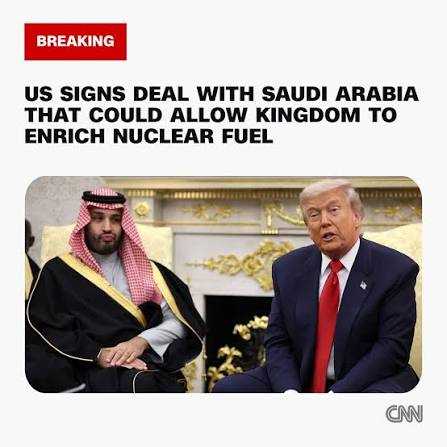
One of the biggest concerns is uranium enrichment. Experts say that while enriched uranium can fuel civilian nuclear power plants, the same technology can also be used to produce material for nuclear weapons if enriched to much higher levels. Saudi Crown Prince Mohammed bin Salman has previously stated that if Iran were to acquire a nuclear weapon, Saudi Arabia would seek one as well, raising fears of a regional nuclear arms race.
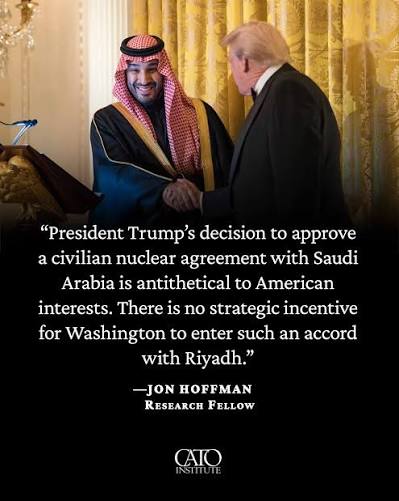
Nonproliferation advocates also worry that approving a deal without requiring Saudi Arabia to permanently forgo uranium enrichment and spent fuel reprocessing could weaken decades of U.S. policy designed to limit the spread of sensitive nuclear technology.
The Trump administration maintains that any agreement would comply with U.S. law and strengthen America’s strategic partnership with Saudi Arabia. But lawmakers from both parties have called for close congressional scrutiny, arguing that any nuclear cooperation must prioritize security and prevent technology from being diverted for military purposes.
As negotiations continue, the proposed agreement is likely to remain one of the administration’s most closely watched foreign policy initiatives, with implications reaching far beyond the Middle East.