

Trump’s $10 billion defamation lawsuit against the BBC is taking an increasingly uncomfortable turn for the president. A federal judge has ordered Trump to sit for a deposition by December 11, escalating a legal battle that could force him to answer difficult questions under oath about the January 6, 2021, Capitol attack, his public statements and the damages he claims to have suffered.
The ruling, reported October 22, comes after the BBC accused Trump’s legal team of repeatedly delaying his testimony. The president had agreed to a deposition scheduled for October 16, but his lawyers subsequently cited “matters of national importance” and proposed dates in January 2027, after the scheduled discovery period ends. The judge warned that failure to comply could result in sanctions, potentially including dismissal of his lawsuit.
Trump launched the lawsuit in December 2025, accusing the British broadcaster of defamation over a Panorama documentary that edited together separate portions of his January 6 speech. The resulting clip created the impression that he had directly encouraged violent action. The BBC apologized for the misleading edit but maintains that the mistake does not establish legal liability for defamation.
Now, the broadcaster is seeking to turn the tables, arguing that the man who brought the lawsuit must submit to the same legal process as any other plaintiff.
Why a deposition could be a problem for Trump
Although Trump’s legal team has not publicly established that fear is behind the scheduling dispute, several aspects of the case could make questioning under oath particularly consequential.
First, Trump could face detailed questions about his January 6 speech, what he intended his supporters to understand, and the events surrounding the Capitol attack. His answers could become important to the BBC’s defense as it challenges his allegations about the documentary’s portrayal of his intentions.
Second, the BBC is challenging Trump’s claims of financial and reputational damage. His lawsuit has alleged that the documentary harmed the value of his brand, properties and businesses. That opens the door to questions about how he calculated the claimed losses, what evidence supports them and whether the alleged damage can be linked to the BBC’s broadcast.
Third, Trump’s own words and previous public statements could be examined for inconsistencies with his testimony. Under oath, answers are subject to legal scrutiny, and contradictions could undermine his credibility with the court.
Fourth, the BBC is seeking evidence from people who may have relevant knowledge of the events surrounding the speech, including former special counsel Jack Smith and members of Trump’s family. Such testimony could give the broadcaster additional material with which to challenge the president’s account. The relevance and admissibility of particular evidence remain matters for the court.
Finally, there is the political risk. A deposition could produce damaging headlines if Trump’s answers conflict with his public messaging, even if no legal wrongdoing is established. Unlike a political rally, a deposition requires a witness to answer questions within the rules of civil discovery.
A lawsuit that creates risks for its own plaintiff
The BBC’s legal strategy highlights a central dilemma for Trump: by bringing the case, he has placed his own allegations, claimed damages and credibility under scrutiny.
The broadcaster has already faced substantial consequences over the editing controversy, including the resignations of senior BBC figures. But the corporation is fighting back, insisting that its editing error does not automatically make it liable for the enormous damages Trump is seeking.
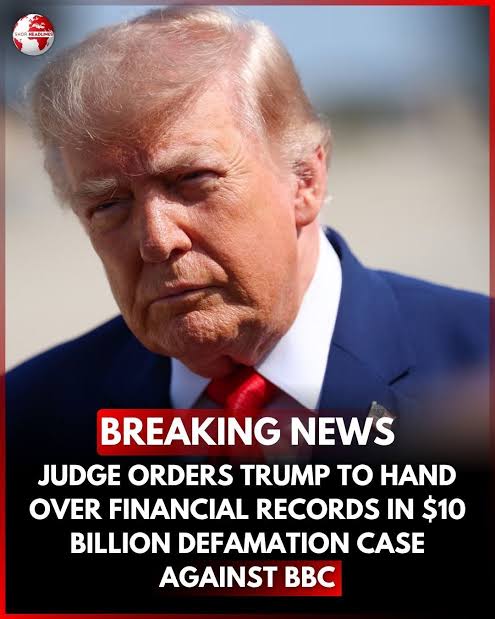
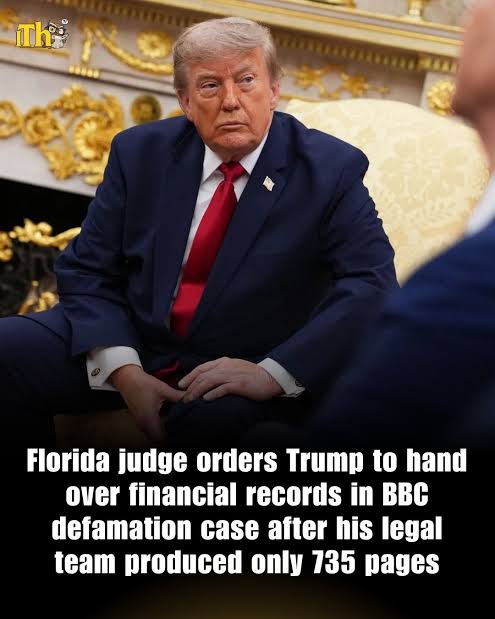
Trump’s team has resisted the BBC’s requests for financial records from Mar-a-Lago and his various business networks, which the BBC argues are necessary to evaluate his claim of billions of dollars in damages.
The last thing Trump wants to do is reveal his finances, which would also unearth his schemes to get rich off the Presidency.