


President Donald Trump’s popularity is continuing to slide, raising alarm bells among Republicans as the party faces an increasingly difficult fight to maintain control of Congress in the November 3 midterm elections.
With Election Day just two weeks away, several major polls show Trump struggling with historically low approval ratings, while Democrats are gaining momentum in the battle for control of the House and Senate. The growing concern for Republicans is that voter frustration with the president could spill over into congressional races and cost the party its narrow majorities.
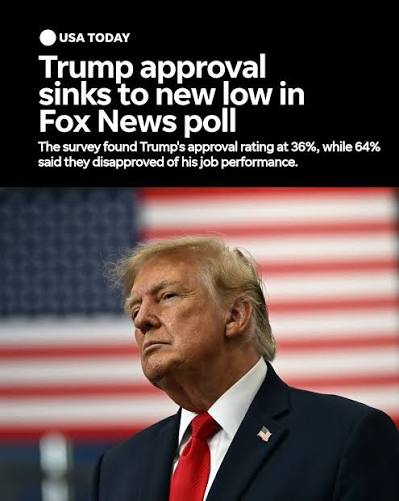
A Washington Post-ABC News-Ipsos poll published October 18 found that just 33% of Americans approved of Trump’s performance, while 66% disapproved. The same survey showed Democrats holding an eight-point advantage in the congressional vote preference, putting Republicans on the defensive as campaigns enter their final stretch.
The latest numbers reflect mounting frustration over the cost of living, rising gasoline prices and the administration’s handling of the war with Iran. These issues are creating political challenges for a president who campaigned on lowering everyday expenses and putting America first.
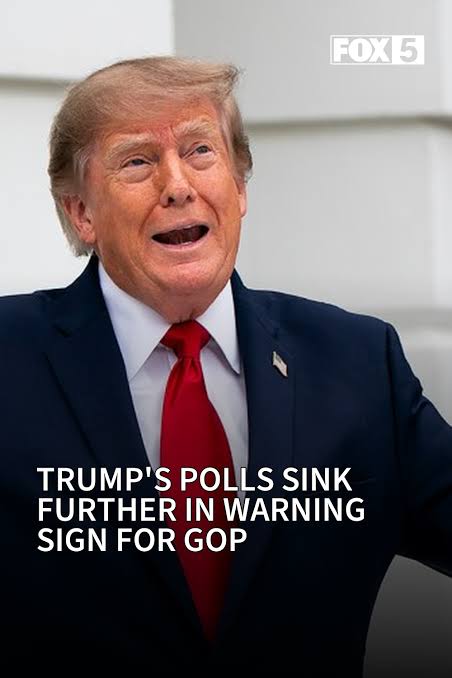
The economy is emerging as a major vulnerability. Voters continue to identify affordability as a leading concern, with household expenses, health care, food and housing weighing heavily on public opinion. Democrats are attempting to capitalize on that dissatisfaction by making the economy the centerpiece of their campaigns.
Trump’s foreign policy is also creating political headaches for Republicans. The ongoing conflict with Iran has added to uncertainty over energy prices and raised questions among voters about the administration’s international priorities.
The president has continued campaigning for Republican candidates, hoping his loyal supporters will turn out in force. But that strategy presents a dilemma: while Trump remains influential among his core base, his unpopularity could alienate independents and moderate voters in competitive districts.
Republicans have particular reason to worry about the House, where their slim majority leaves little room for losses. Democrats need a net gain of four seats in each chamber to take control of both the House and Senate, according to Reuters’ analysis of the current electoral landscape.
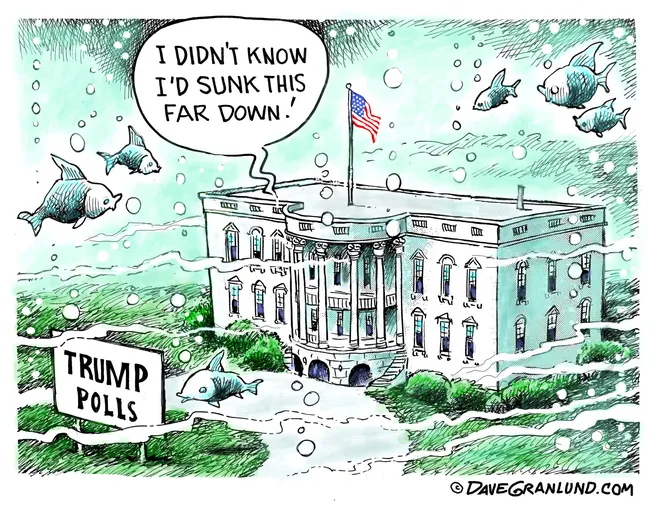
A Democratic takeover of the House would give the opposition party greater power to investigate the administration, challenge its agenda and block Republican legislative priorities. If Democrats also win the Senate, Trump could face additional obstacles in confirming nominees and advancing key appointments.
Still, polling is not a guarantee of the final outcome. Republicans retain significant fundraising resources, and the results will depend on turnout, individual candidates and the dynamics of closely contested races.
For now, however, the political warning signs are becoming harder for the GOP to ignore. Trump’s declining approval, voter concerns about the economy and greater Democratic enthusiasm have created a challenging environment for a party hoping to defend its congressional majorities.

The midterms are shaping up to be a referendum on Trump’s second term — and the results could determine how much political power he retains during the final two years of his presidency.