

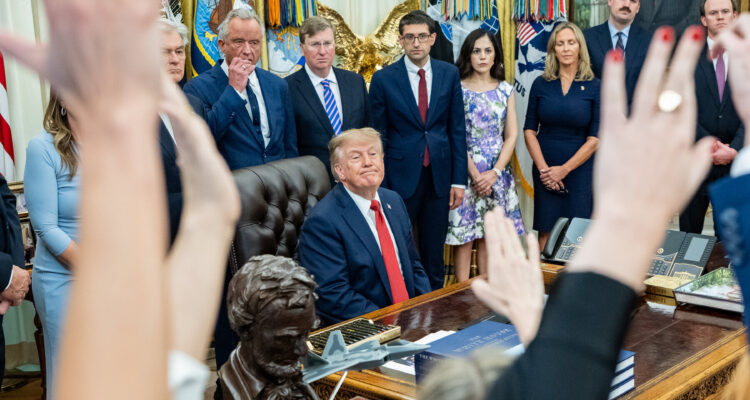
For a president who has spent decades understanding the power of television, President Donald Trump may soon discover what it looks like when the cameras simply aren’t there.
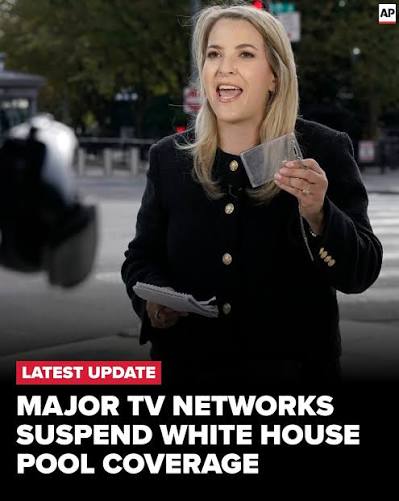
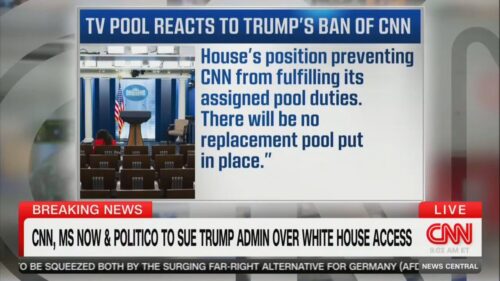
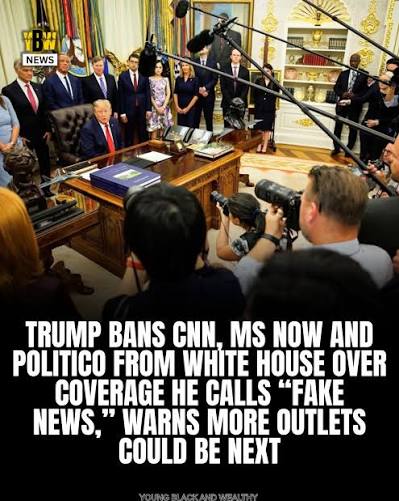
In an extraordinary show of solidarity, the five major television networks that rotate responsibility for covering the president — ABC, CBS, CNN, Fox News and NBC — have agreed to suspend their shared television pool coverage of Trump after the White House barred CNN, MS NOW and Politico from access.
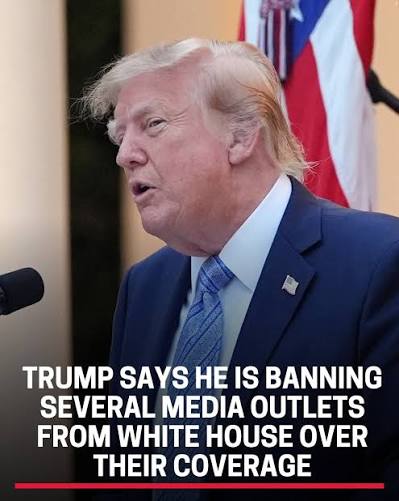
The decision means there will be no replacement crew when CNN was scheduled to provide the pooled video feed. The pool normally supplies television footage of presidential appearances to news organizations around the world.
Trump announced the bans Friday, accusing the outlets of publishing what he called “fake news” and complaining about coverage he considered negative. The three organizations are now suing the administration, arguing that their access was revoked because of their reporting
The consequences could be particularly visible this week. Trump is scheduled to appear at the United Nations in New York, but there will be no traditional television pool accompanying him. Other journalists can still report from the event, but the shared presidential camera operation that normally provides live video to broadcasters will be absent.
And that raises an intriguing question: How will Trump feel when the cameras aren’t trained on his every move?
Trump has built a political career in large part around television, rallies, dramatic appearances and the constant news coverage that follows him. For years, cameras have captured everything from his White House announcements to his impromptu exchanges with reporters.
Now, in a remarkable twist, the president who has repeatedly complained about the news media may find himself getting less television coverage precisely because he tried to control which news organizations could cover him.
The networks’ decision does not mean Trump will disappear from television. Reporters will continue covering his administration and his public appearances. But the absence of the traditional TV pool could create something rarely seen in modern presidential politics: a major presidential event without the usual cameras following the president every step of the way.
For a president accustomed to being the center of the television picture, the biggest question may be whether he can tolerate being outside the frame.