


President Donald Trump’s sweeping gold-leaf makeover of Washington, D.C.’s federal spaces is drawing growing criticism as the price tag climbs past $1 billion, with opponents questioning whether taxpayers should be footing the bill for what many describe as largely cosmetic changes.
The renovation projects, spanning several high-profile federal buildings and public areas, have featured the president’s tacky aesthetic: extensive gold accents, oversized drapery and decorative upgrades that critics argue prioritize appearance over necessity.
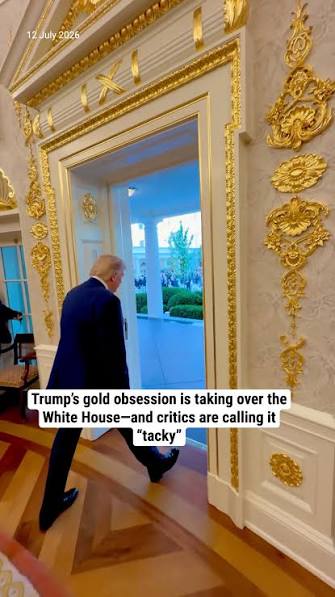
Among the most visible changes are lavish gold trim, ornate fixtures, new furnishings and large tarps and fencing surrounding ongoing construction, leaving some of the city’s most recognizable landmarks partially obscured while work continues.

The administration has defended the spending, arguing that the renovations restore dignity to historic government buildings, improve security and preserve aging infrastructure. Officials maintain that many of the projects were already overdue and that combining them under a broader modernization effort will ultimately save money.
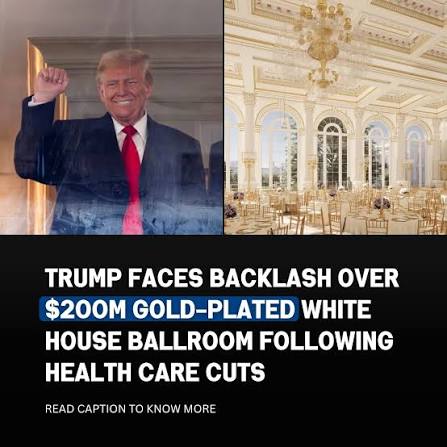
“This is taxpayer-free. We have no taxpayer putting up 10 cents,” the president proudly declared to reporters in March about the ballroom’s cost.
However, reporters have discovered the actual price tag of Trump’s aesthetic conquest of Washington is soaring over a billion dollars — and taxpayers are footing the bill.
Public records indicate the total value of federal contracts awarded for the reflecting pool overhaul actually topped $14.8 million, including a no-bid contract to a firm that had previously serviced a swimming pool, not a massive reflecting pool with drainage issues, at one of Trump’s private golf resorts.

Critics, however, say the scale of the makeover far exceeds routine maintenance and comes at a time when Americans continue to face concerns over inflation, housing costs and federal spending. Government watchdogs and some lawmakers have questioned whether decorative elements—including premium finishes and luxury-style design choices—represent an appropriate use of taxpayer dollars.

The controversy has also reignited debate over presidential influence on federal architecture and whether public funds should be used to reflect a president’s personal design preferences.
When Americans struggle to pay for groceries and gas for their cars, this is not sitting well with the voters.