


The Trump administration is preparing to spend at least $900 million on construction and modernization projects at the White House, according to a Washington Post review of confidential contracts and other documents. The figure is substantially higher than previous public estimates and raises fresh questions about government spending at a time when millions of Americans are facing reductions in access to health care and food assistance.

The largest single project is the controversial White House ballroom, being constructed on the site of the demolished East Wing. Its projected cost has repeatedly increased, from an initial estimate of about $200 million to $400 million and then to an internal estimate of $600 million. Earlier documents indicated that roughly half of that ballroom cost could ultimately come from taxpayer-funded sources, despite President Trump repeatedly saying the project would be privately funded.
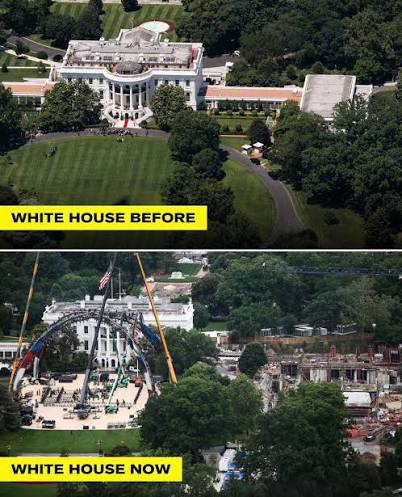
The broader $900 million figure reportedly includes additional construction and modernization work around the White House complex. The administration has described the projects as necessary improvements to presidential and national-security infrastructure.
The spending is drawing particular scrutiny because it comes as the administration implements sweeping changes to Medicaid and the Supplemental Nutrition Assistance Program, or SNAP.

The Republican-backed spending law signed by Trump has imposed new Medicaid requirements and reduced federal funding, while also changing SNAP eligibility and work requirements. The Congressional Budget Office has estimated that the legislation will result in millions of people losing health coverage. Meanwhile, an analysis by the Center on Budget and Policy Priorities found that SNAP participation had fallen by more than 4.5 million people between the law’s enactment and April 2026.

The contrast has become a political flashpoint: hundreds of millions of dollars are being directed toward an increasingly expensive renovation of the nation’s most famous residence while low-income Americans face tougher requirements and reduced access to basic health and food assistance.
Critics argue that the administration’s spending priorities reveal a stark disconnect between government investment in an elaborate White House expansion and the financial pressures confronting families who depend on programs such as Medicaid and SNAP.
The White House, however, has defended the construction as an important long-term investment in the presidential complex. Trump has also maintained that the ballroom itself is being funded privately, a claim increasingly complicated by documents showing taxpayer-funded government accounts involved in the wider project.
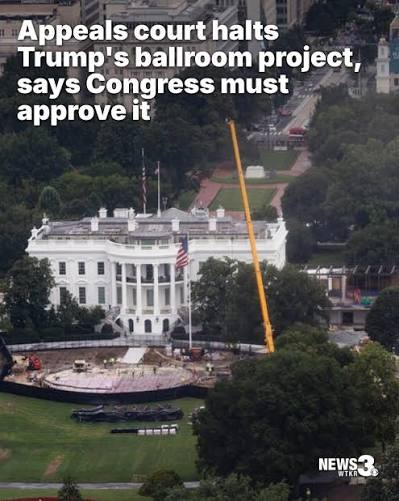
A federal appeals court has also ordered a halt to the ballroom project, finding that the administration faces questions about whether it had the authority to proceed without congressional approval.
For taxpayers, the controversy now goes beyond the price of a ballroom. It raises a broader question about priorities: How much should the government spend upgrading the White House while simultaneously asking struggling Americans to accept less help putting food on the table and paying for health care?