


Millions of American children are facing a growing threat to one of the most basic necessities: reliable access to food.
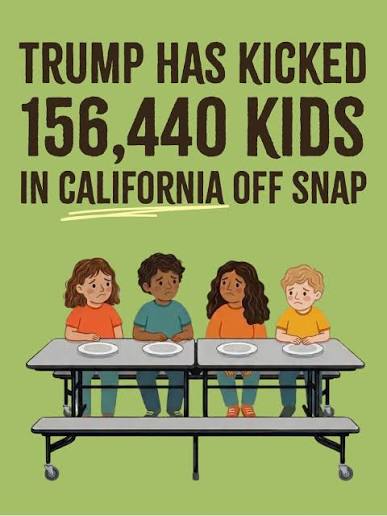
New data show that the sweeping changes to the Supplemental Nutrition Assistance Program (SNAP) enacted by congressional Republicans are already reducing the number of children receiving food assistance. In 19 states with available data, more than 1 million children have lost SNAP benefits since the Republican-backed law was enacted in July 2025.
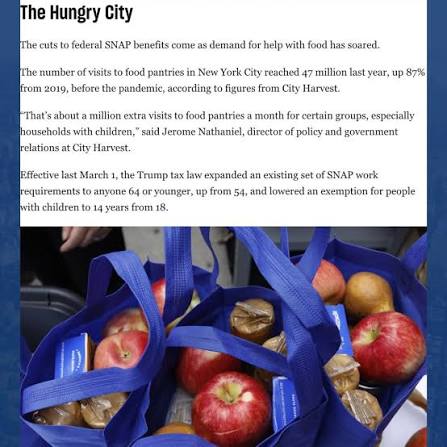
The consequences could extend beyond what families put on the dinner table. Because children receiving SNAP have historically been automatically eligible for free school meals, losing SNAP can also jeopardize their access to free breakfast and lunch at school.
The connection has alarmed education and anti-hunger advocates. An analysis by the Urban Institute found that reductions in SNAP participation can reduce the number of students automatically eligible for school meals and increase the costs for schools that provide meals to students without charging them.
A Double Hit for Children
The 2025 Republican reconciliation law, signed by President Donald Trump, made major changes to SNAP, including new work requirements and other eligibility and administrative provisions. The USDA has been issuing guidance as states implement the changes.
The impact is already visible. The Center on Budget and Policy Priorities estimates that nationwide SNAP participation fell by roughly 5 million people — about 12% — between the law’s enactment in July 2025 and May 2026.
For families living paycheck to paycheck, losing even a modest monthly food benefit can mean difficult choices between groceries and rent, utilities, medicine or other necessities.
And for children, the stakes can be particularly high.
Free School Meals Also Under Pressure
School nutrition advocates have warned that changes to SNAP could ripple directly into classrooms.
More than 12 million children could potentially lose access to federally subsidized free school meals if eligibility requirements for programs that allow schools to provide free meals to all students are tightened, according to an analysis cited by Education Week.
The School Nutrition Association has also warned that provisions in the Republican budget law threaten access to school meals across the country.
The issue is especially significant because school breakfast and lunch may be the most dependable meals some children receive each day.
Advocates say the changes create a troubling cycle: children can lose food assistance at home while simultaneously facing greater difficulty qualifying for free meals at school.
Republicans Defend the Changes
Republican lawmakers have defended the legislation as an effort to reduce government spending, strengthen work requirements and prevent what they describe as improper use of public benefits.
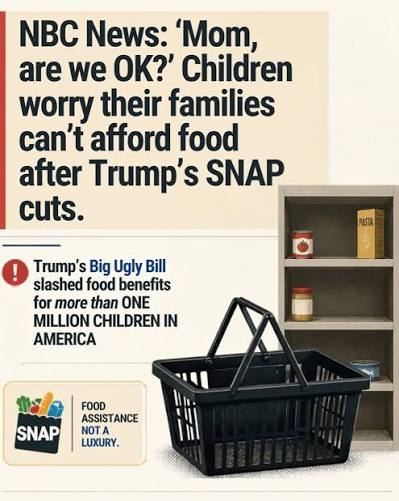
Critics counter that the savings come at the expense of families who are already struggling to put food on the table. They argue that children should not bear the consequences of changes designed to reduce federal spending.
The debate is likely to intensify as states continue implementing the new SNAP rules and schools prepare their budgets for the coming academic year.
For parents, educators and anti-hunger organizations, the concern is straightforward: when a child loses SNAP and potentially loses access to a free school meal, there may be nowhere else to turn.
The result, advocates warn, could be more hungry children sitting in American classrooms — at a time when families are already struggling with the high cost of living.