


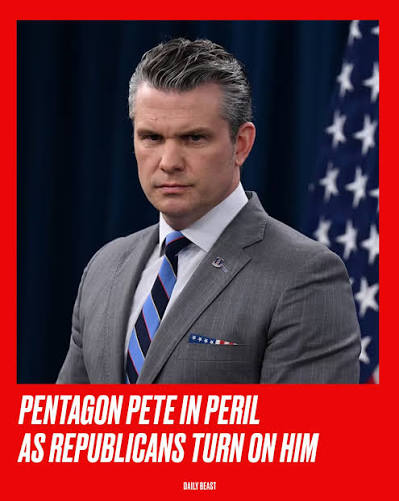
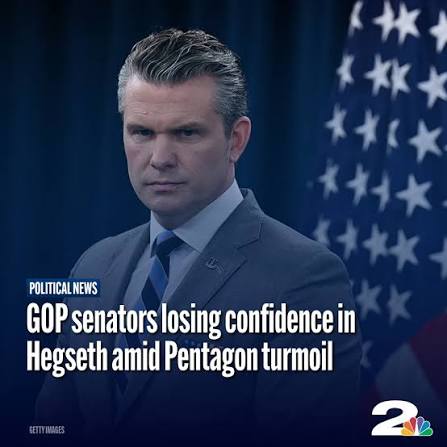
Cracks are beginning to appear in Republican support for Defense Secretary Pete Hegseth as a growing number of GOP senators publicly question his leadership, management of the Pentagon, and handling of sensitive military matters.
While Hegseth continues to enjoy the backing of President Donald Trump and many House Republicans, several Senate Republicans have become increasingly vocal about what they describe as a pattern of poor judgment, management failures, and unnecessary political controversy.
Here are the major issues driving the criticism:
1. Questions About Pentagon Leadership
Several Republican lawmakers have expressed concern that Hegseth has struggled to manage the Pentagon’s massive bureaucracy effectively. Critics argue that the Defense Department has experienced unusually high turnover among senior officials, creating instability at a time of growing international tensions.
2. High Staff Turnover
A number of senior aides and advisers have departed since Hegseth took office. Senators have questioned whether the departures reflect internal dysfunction rather than the normal reshuffling that accompanies a new administration.
Senator Thom Tillis criticized Hegseth for forcing out distinguished leaders and exhibiting a “massive insecurity complex” and micromanagement, comparing the Pentagon’s internal dynamics to “Game of Thrones stuff.”
3. Handling of Sensitive Information
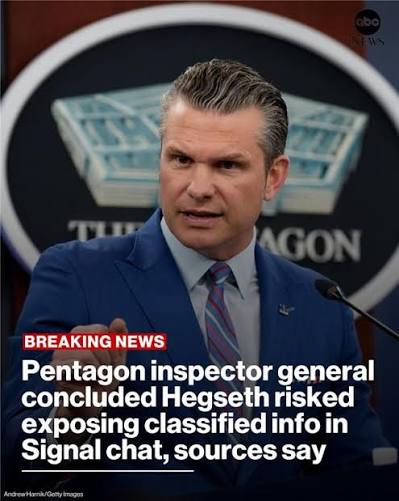
Hegseth has faced scrutiny over reports concerning the handling of sensitive military information and communications. While there have been no criminal findings against him, several senators have said the reports raised legitimate concerns about security procedures within the Defense Department.
4. Concerns Over Military Readiness
Some Republican defense hawks worry that political battles inside the Pentagon have distracted from the military’s core mission. They argue the department should be focused on modernization, recruitment, and preparing for challenges posed by China, Russia, Iran, and North Korea.
5. Budget and Spending Questions
Republican senators have also pressed Hegseth over defense spending priorities, asking whether resources are being directed toward programs that strengthen military readiness rather than political initiatives or administrative changes.
6. Strained Relationships with Congress
Several senators have complained that obtaining timely information from the Pentagon has become increasingly difficult. Some have accused department leadership of being less transparent with congressional oversight committees than previous administrations.
7. Confirmation of Senior Officials
Lawmakers have also voiced frustration over vacancies in key Defense Department positions, arguing that delays in staffing important leadership roles have slowed decision-making.
8. Public Controversies
Hegseth’s outspoken style—well known from his years as a television commentator—has continued during his tenure as defense secretary. Some Republican senators have privately suggested that his public comments occasionally create unnecessary political distractions that overshadow defense policy.
Not All Republicans Are Breaking Ranks
Despite the criticism, many Republicans continue to defend Hegseth, arguing that he is carrying out President Trump’s agenda of reshaping the military, eliminating diversity, equity, and inclusion (DEI) programs within the armed forces, and increasing the military’s focus on combat readiness.
President Trump has repeatedly expressed confidence in Hegseth, and there has been no indication from the White House that his position is in jeopardy.
What Happens Next?
Whether Republican criticism develops into organized opposition remains uncertain. Individual senators have raised concerns, but there has not yet been a coordinated effort by Senate Republicans to call for Hegseth’s resignation.
However, continued scrutiny of Pentagon operations, staffing decisions, and military policy means Hegseth is likely to face increasingly tough questioning during upcoming congressional hearings. If additional controversies emerge or management problems persist, pressure from within his own party could continue to grow.