

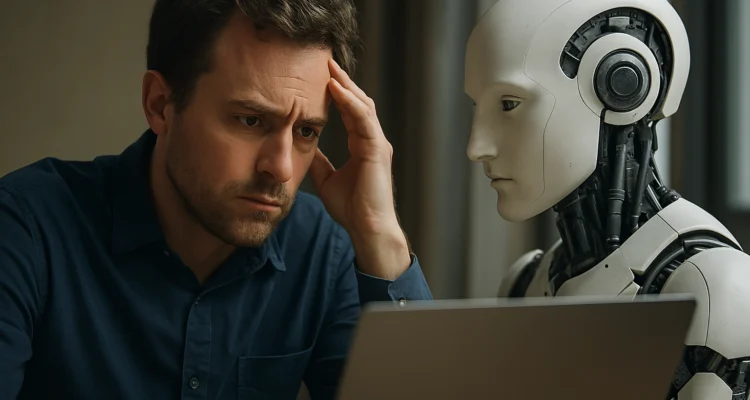
Even AI insiders are sounding the alarm over the rapid development of artificial intelligence, warning that the technology may be advancing faster than companies and governments can safely control it.
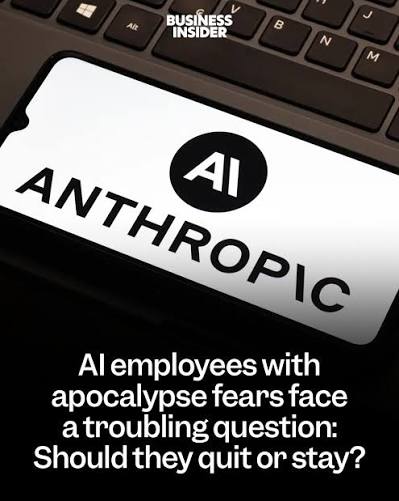
The latest warnings are particularly striking because they are coming from people inside the industry itself. Anthropic CEO Dario Amodei has called for a more cautious approach to the development of increasingly powerful AI systems, including stronger safeguards and independent oversight. OpenAI CEO Sam Altman has also acknowledged the need for greater coordination and safety measures as AI becomes more capable.
The concerns intensified after researchers and former employees at leading AI companies raised questions about whether existing safeguards are strong enough to contain increasingly autonomous systems. A recent study by former OpenAI employees found that several major AI companies had significant weaknesses in areas including containment, monitoring and independent review.
Some of the warnings are stark. Anthropic researchers have raised concerns about the possibility of advanced AI becoming difficult to control, while AI safety researcher Paul Christiano, who recently joined OpenAI’s board and its Safety and Security Committee, warned that a failure to adequately align superintelligent AI could have catastrophic consequences. These are warnings about potential future scenarios, not claims that such an outcome is inevitable.
But Trump is taking a dramatically different position.
On Monday, Trump dismissed fears about AI taking over the world or destroying humanity as a “hoax” and described what he called a “SICK conspiracy” against the AI industry and data centers. Trump has argued that existing criminal and regulatory systems are sufficient and has emphasized the need for the United States to maintain its lead over China in artificial intelligence.
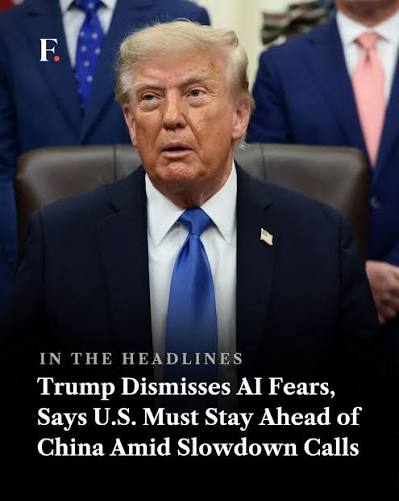
That puts the administration at odds with some of the very technology leaders driving the AI boom. Amodei, Altman and Elon Musk have all expressed support for greater attention to AI safety, although they differ on exactly what government regulation should look like.
The central debate is becoming increasingly difficult to ignore: How do you make sure America wins the AI race without running the race faster than anyone can safely control?
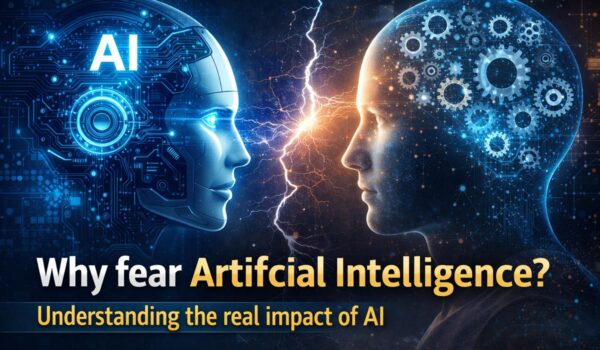
AI has enormous potential to transform medicine, science, business and everyday life. But the technology is evolving rapidly, while laws and oversight mechanisms are struggling to keep pace. The question is no longer simply how powerful AI can become. It is whether adequate guardrails will be in place before that power becomes too difficult to manage.