


Trump’s escalating trade war with Canada is turning one of America’s closest economic relationships into a costly battle of tariffs, retaliation and increasingly personal political tensions.

The latest escalation came this week when Trump imposed new restrictions banning certain Canadian dairy products, most alcoholic beverages and some motorcycles from entering the United States beginning September 29. The move follows Canada’s retaliatory tariffs on roughly $20 billion of American goods.
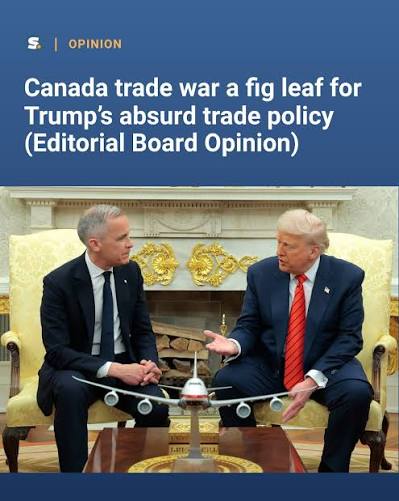
Trump has defended his aggressive trade policies as a way to protect American workers and force Canada to make concessions. In July, his administration imposed additional 50% tariffs on a wide range of Canadian products, including wine, cement and hockey sticks.
But tariffs are not simply bills that Canada pays to the United States. Importers generally pay the tariffs, and those costs can ultimately be passed along to American businesses and consumers through higher prices. The latest restrictions also threaten to disrupt supply chains and reduce choices for American shoppers.

Canada has responded in kind, imposing tariffs on American products and warning that it will continue defending Canadian workers and businesses. Canadian Prime Minister Mark Carney has also pushed to reduce Canada’s dependence on the U.S. and expand trade with other countries.
For two nations whose economies are deeply intertwined, the escalating fight looks increasingly like a lose-lose situation. Instead of strengthening the relationship with America’s closest neighbor and one of its largest trading partners, Trump’s tariff strategy is driving retaliation, raising uncertainty for businesses and threatening to make everyday goods more expensive for consumers on both sides of the border.